Restaurant Marketing
Restaurant Marketing: A Practical Guide
Learn how to attract customers and fill tables with restaurant marketing: local strategies, budgeting, reservations, and measuring results in your area.
 RestaurantPilot8 min read
In this article
Restaurant marketing brings together the things you do to help people discover your business, make a reservation, visit, and come back. Start by deciding what you want to improve and who you want to attract. Then build a strong local presence, make it easy for people to contact you, and give them reasons to return. Set a budget based on your sales margins, and track which efforts lead to actual reservations or visits. That way, you can adjust your approach without spending blindly.
Set a goal and identify the customers you want to attract
Before choosing channels or planning promotions, decide what result you want. Choose a goal, a timeframe, and a number you can track. Avoid vague goals like “get more customers.” Be specific about what you’re looking for—for example, more weekday reservations, lunch special orders, or catering requests.
Example: Increase Tuesday-through-Thursday reservations from 30 to 36 per week over the next two months. Compare the result with your current reservation numbers, and make sure you can handle the additional volume without hurting service.
Next, describe the customer you want to attract: where they live or work, what kind of food they’re looking for, how much they plan to spend, and what the occasion is. Example: People who work within a 10-minute walk, want home-style food during the week, and have a budget of €15 per person. Treat this as a hypothesis you can validate against the inquiries and reservations you receive.
Review which dishes, hours, and services have both healthy margins and enough capacity. Calculate contribution margin by subtracting ingredients and other variable costs from the amount charged. Example: A €15 prix fixe lunch minus €5 for ingredients and €2 in other variable costs leaves €8 before fixed costs. If your kitchen is already at capacity at lunchtime, don’t promote more meals during that period.
Finally, tailor your message to that customer and occasion. Highlight something specific about what you offer—such as a home-style lunch near the office—and don’t try to appeal to everyone at once.
Improve your visibility in the area
Start by searching for your restaurant the way someone in your area would. Review the profiles and directories where you appear, and correct any differences in your name, address, phone number, hours, menu, and reservation options. Check holidays and seasonal changes, too; incorrect hours can make a customer rule out your restaurant.
Update your photos with recent images of your dishes, dining room, and storefront. Choose well-lit photos with framing that shows portion sizes and the actual atmosphere. Avoid old images or photos that create expectations that don’t match what customers will find when they arrive.
On your website and in your posts, mention your neighborhood or city naturally. Explain what kind of food you serve, when you’re open, and where people can find the menu and prices. Example: “Mediterranean food in Gràcia, Barcelona; open for lunch and dinner. View our menu and prices.” Replace those details with your restaurant’s information.
Ask for a review after a good visit, with a brief, friendly message. Example: “Thanks for stopping by. If you’d like, tell us about your experience on your usual review platform.” Don’t ask only for positive reviews or offer a discount in exchange for one.
Make time for regular check-ins. Example: Once a month, confirm your information is still accurate and that your photos and menu reflect what you currently offer. Note any updates needed and make them across the same sites.
Turn inquiries into reservations and visits
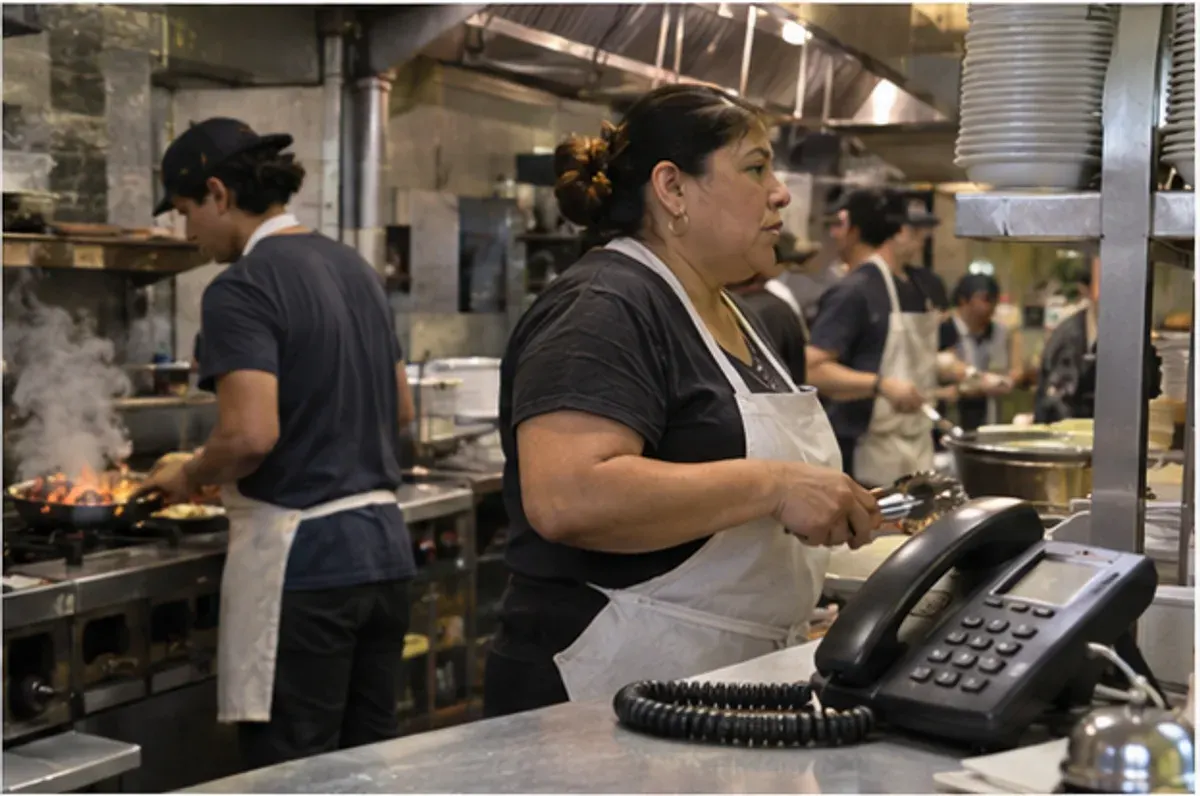
During service, assign someone to answer the phone and keep the phone’s ringer on in an accessible place. If you can’t answer, return missed calls as soon as there’s a break. Note who called and why so they don’t have to repeat the information.
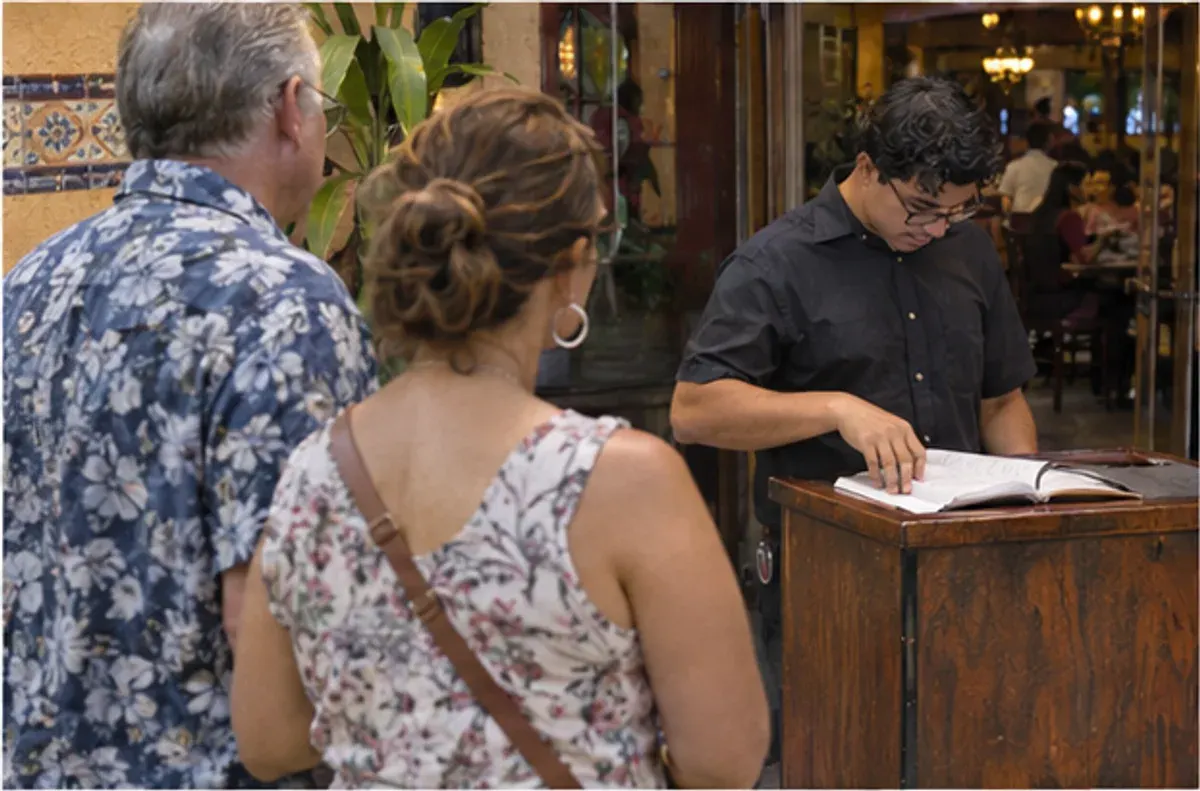
Make reservations easy. List the available ways to book, and ask only for what you need: name, phone number, date, time, party size, and any relevant dietary needs. Confirm the reservation and explain how to make changes or cancel. Example: “Reservation confirmed for Marta, party of two, Friday at 9:00 p.m. If you need to make a change, call us at this number.”
Check your menu on a phone, not just on a computer. Make sure it’s readable without zooming, that dishes and prices are up to date, and that allergens, phone number, and hours are easy to find. If you take orders, explain how to place them and how far in advance customers need to order.
Prepare brief answers to common questions. For example:
- Groups: “For groups, tell us how many people are in your party and the date; we’ll confirm availability.”
- Dietary options: Explain what alternatives you can offer and ask customers to let you know when they book.
- Hours: Share your current days and hours of operation.
- Orders: Explain how to place an order and whether it can be picked up at the restaurant.
Example: Set aside 10 minutes when opening and closing to check for missed calls and update information if your hours, menu, or reservation policies change.
Give customers reasons to come back
Give customers a specific reason to return by tying each update to an occasion: a seasonal dish, a menu change, or an event you’ve already planned. Create a simple schedule, such as one post per week and a message when there’s something worth sharing. Use real photos and details; don’t announce new items before you’re ready to serve them.
Before launching an offer, set its terms: dates, included dishes, eligible days, and whether a reservation is required. Calculate the margin using the price before sales tax and the variable cost of each sale.
Example: A dish costs €20 before sales tax, and its ingredients and preparation cost €8. That leaves €12 in margin before other expenses. With a 10% discount, you bring in €18 and have €10 left. Decide whether the offer is worthwhile based on how many additional sales you expect and whether you can handle them without hurting service.
Invite customers to follow your channels or receive updates, but ask for permission and explain what kinds of messages you’ll send. Keep your list organized and write only when you have useful information to share. Make it easy for people to opt out.
Ask your staff to mention updates when helping customers or saying goodbye, without pressuring anyone. After a visit or event, ask what customers liked and what they’d improve. Note recurring comments and review each month whether they’re helping bring people back.
Set your budget and calculate the break-even point
Before launching an effort, decide how long you’ll measure it and add up its full cost. Include advertising, photography, printing, and any planned discounts. Add your hours and your team’s hours, too: multiply them by the hourly cost you use to value that work. This helps you avoid mistaking an effort that’s inexpensive in cash for one that takes a lot of your restaurant’s time.
Next, calculate the margin from each additional customer. Use the average spend per visit before sales tax and subtract the variable costs tied to that sale, such as ingredients and payment processing fees. If the discount is part of the campaign, include it either in the campaign cost or in the margin calculation, but don’t count it twice.
Formula: Additional customers needed to cover the campaign = total campaign cost ÷ margin per customer. Always round up. This is your break-even point: the number of extra visits you need to recoup the expense, not the number of reservations you need if some customers don’t show up.
Example: A campaign costs €300, the average spend before sales tax is €30, and variable costs per customer are €12. The margin is €18 (€30 − €12). You need 17 additional customers to cover the €300 (€300 ÷ €18, rounded up).
Then compare the visits actually attributable to the effort with that threshold. If you don’t reach it, review the cost, discount, or audience before trying again. If you exceed it, check that the additional margin also makes up for the time invested.
Measure results and adjust your plan
Record every inquiry and reservation along with its source: phone, website, social media, or referral. When confirming a reservation, ask, “How did you hear about us?” and record the answer in a spreadsheet with the date, party size, and outcome: seated, canceled, or no-show. Review the data weekly and compare equivalent time periods.
Calculate the full cost of each effort: add creation costs and labor hours, valued at a rate you determine, to the advertising spend. Then compare that total with the reservations that showed up and the margin they generated; clicks and views alone aren’t enough.
Useful formulas:
- Cost per seated reservation = campaign cost ÷ attributable reservations that showed up.
- Net contribution = (reservations that showed up × average margin per reservation) − campaign cost.
Example: A campaign costs €120 and generates 20 reservations that show up. If each reservation leaves €36 in margin, the cost per reservation is €6 and the net contribution is €600. These are illustrative figures: calculate your own margin using sales minus variable costs, such as ingredients and fees.
Also track cancellations and no-shows. If they happen often, try clearly explaining how to cancel and sending a reminder before the reservation. Compare the results afterward; don’t attribute a change to one effort if you also changed other things.
Keep what generates margin after covering its cost. Adjust the message, channel, or audience for an underperforming effort, then measure again over a comparable period. Pause it if it still doesn’t justify the expense.
What RestaurantPilot does
RestaurantPilot is software for food service businesses, created by Fuly. You can preview your website for free, with an instant pricing calculator, ready in minutes and no credit card required. The Website plan ($35/month) publishes your website on your own domain; Pro ($99/month) adds a business phone number with an AI receptionist, online reservations with reminders, post-service review requests, and invoices with online payments.
Frequently asked questions
What should restaurant marketing include?
It should cover how customers find you, how they view your menu or make a reservation, and what you do to encourage them to come back. This includes a well-maintained local presence, clear communication, and tracking results.
How much should I spend on marketing for my restaurant?
There’s no one-size-fits-all amount. Calculate the costs of the efforts you’re considering and compare them with the margin you need to generate to cover those costs.
How can I attract more customers on weekdays?
Identify the customers who might visit during those hours and tailor your messaging to their needs, for example, by sharing information about your menu or group options. Then check whether seated reservations increase and whether the margin justifies the effort.
How do I know if a marketing campaign is working?
Track the campaign cost and the inquiries, reservations, and visits you can attribute to it. Also consider the margin generated and cancellations—not just social media engagement.